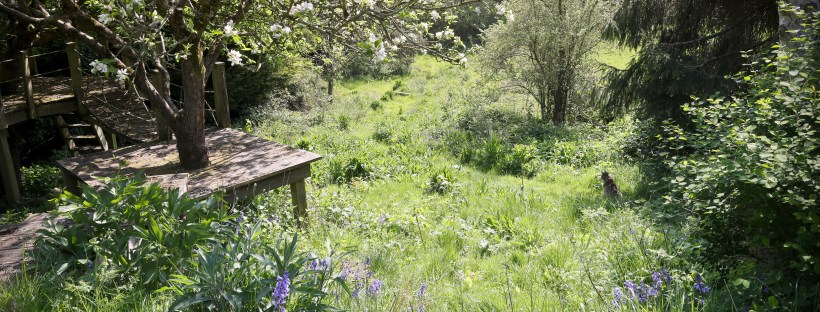
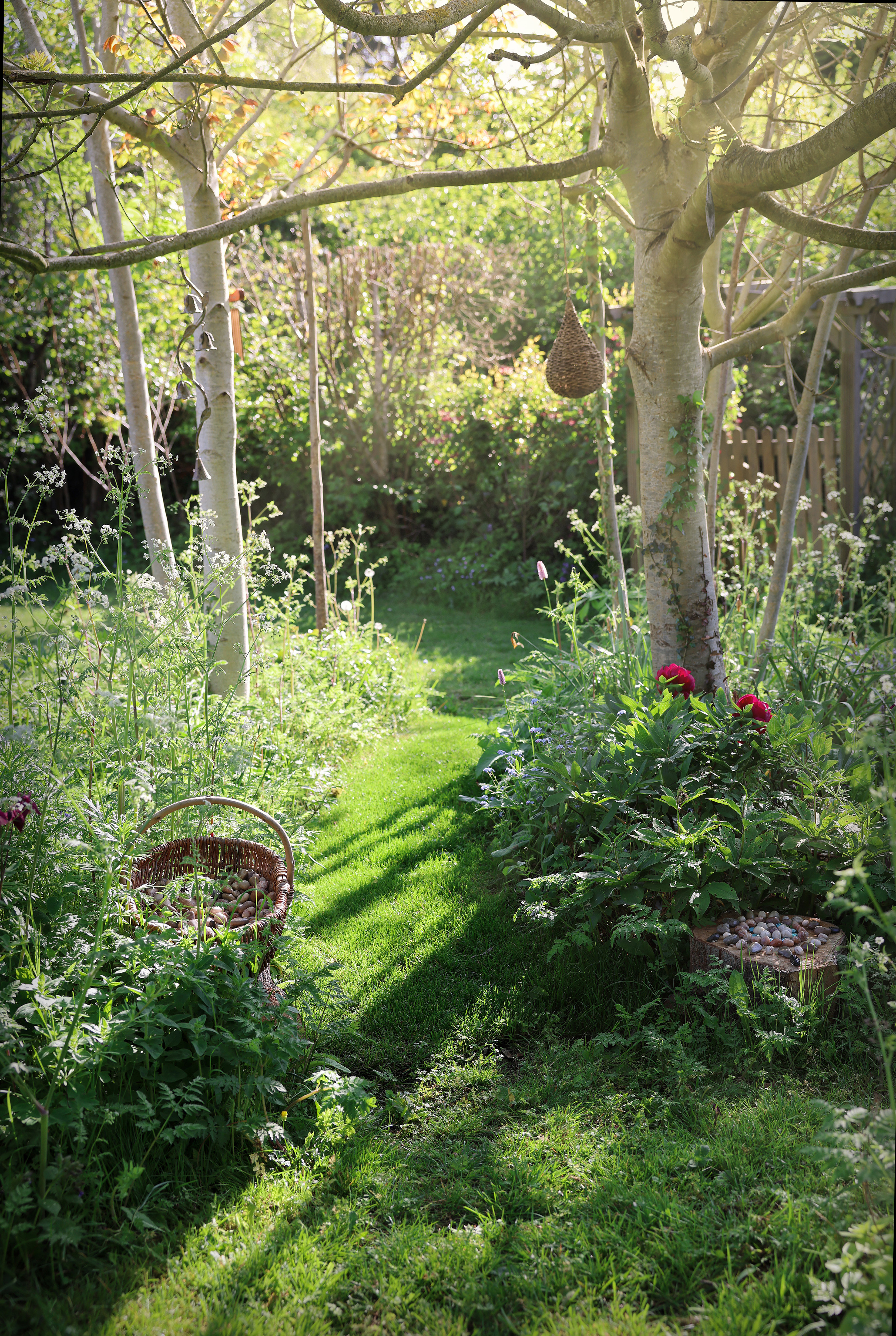
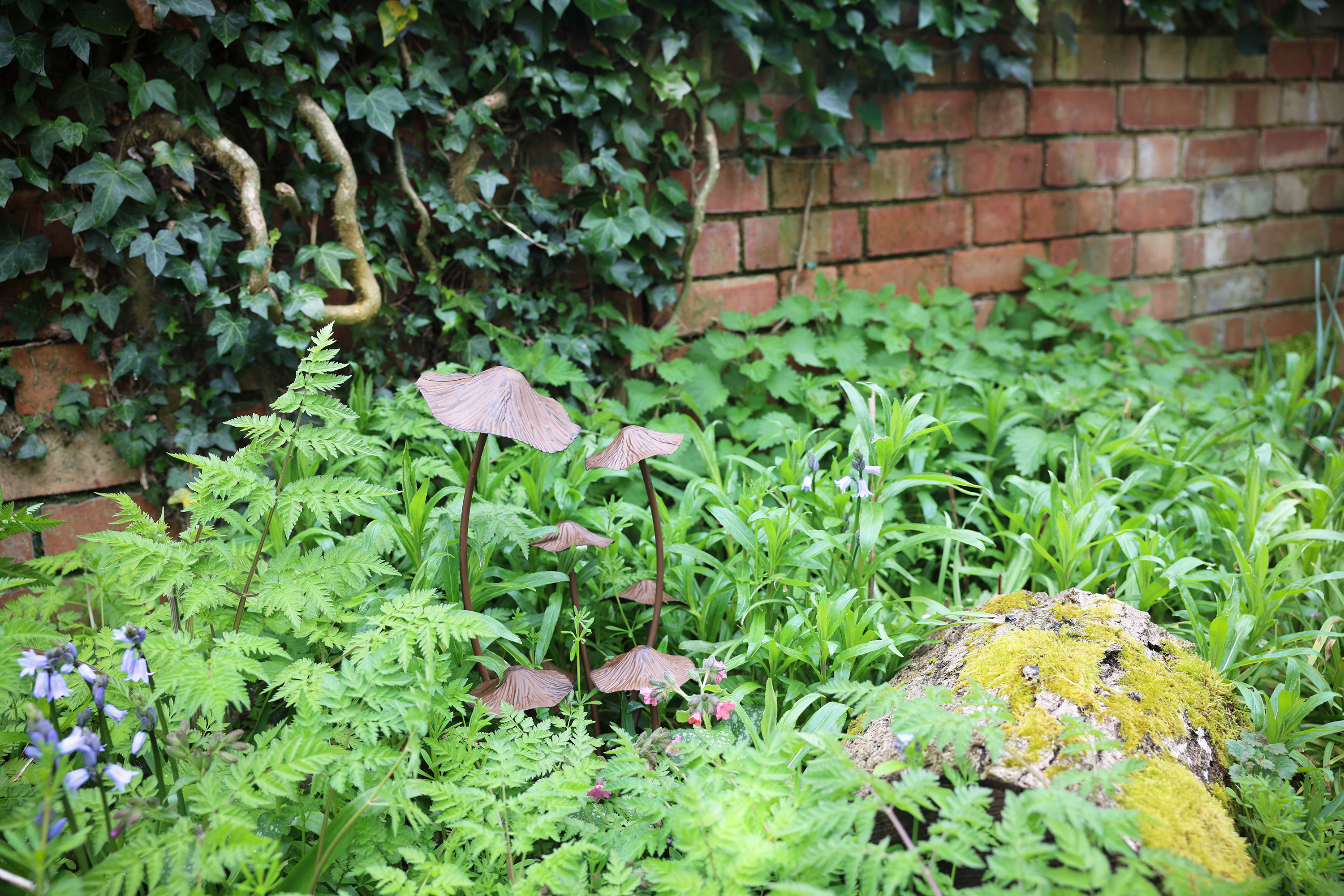
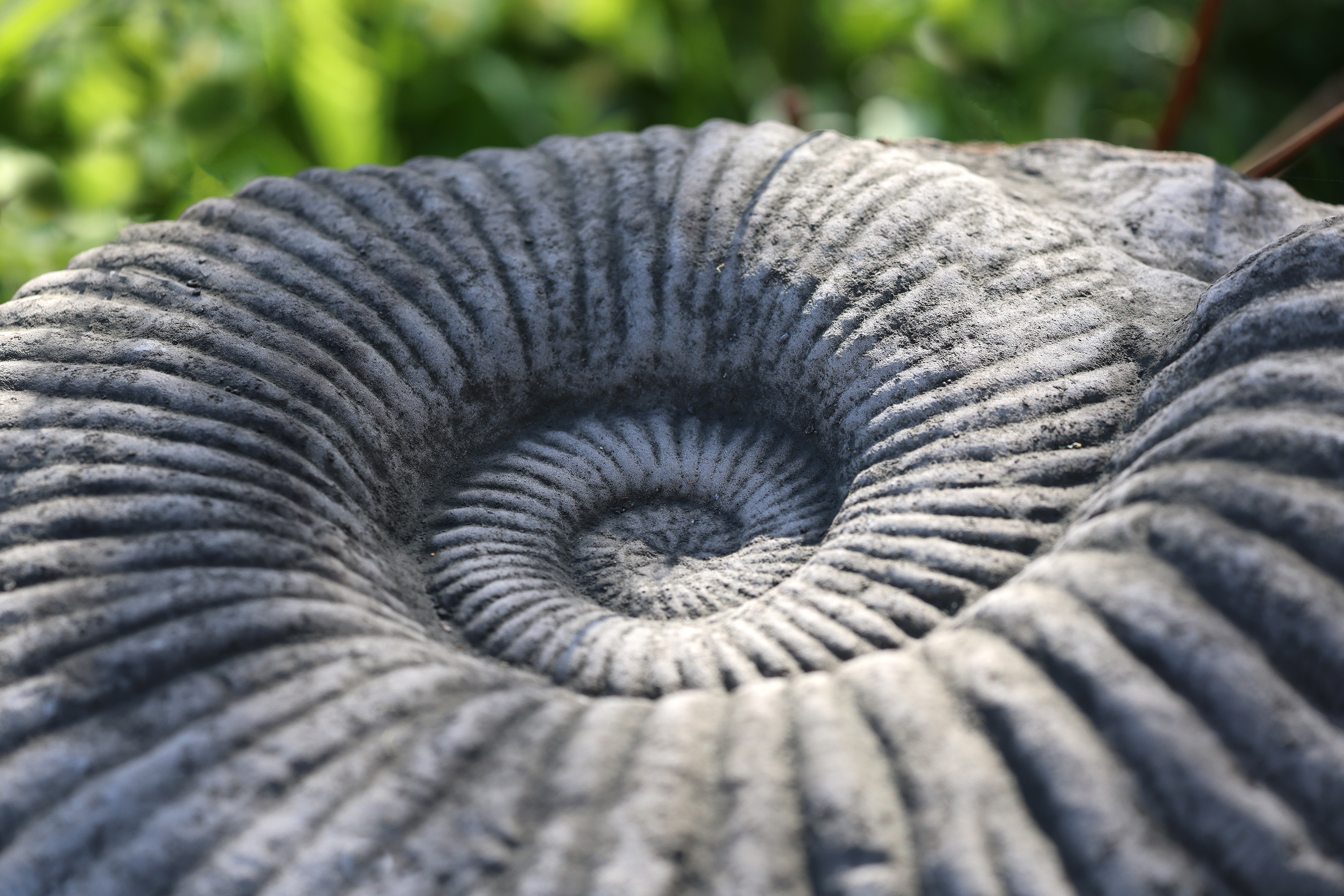
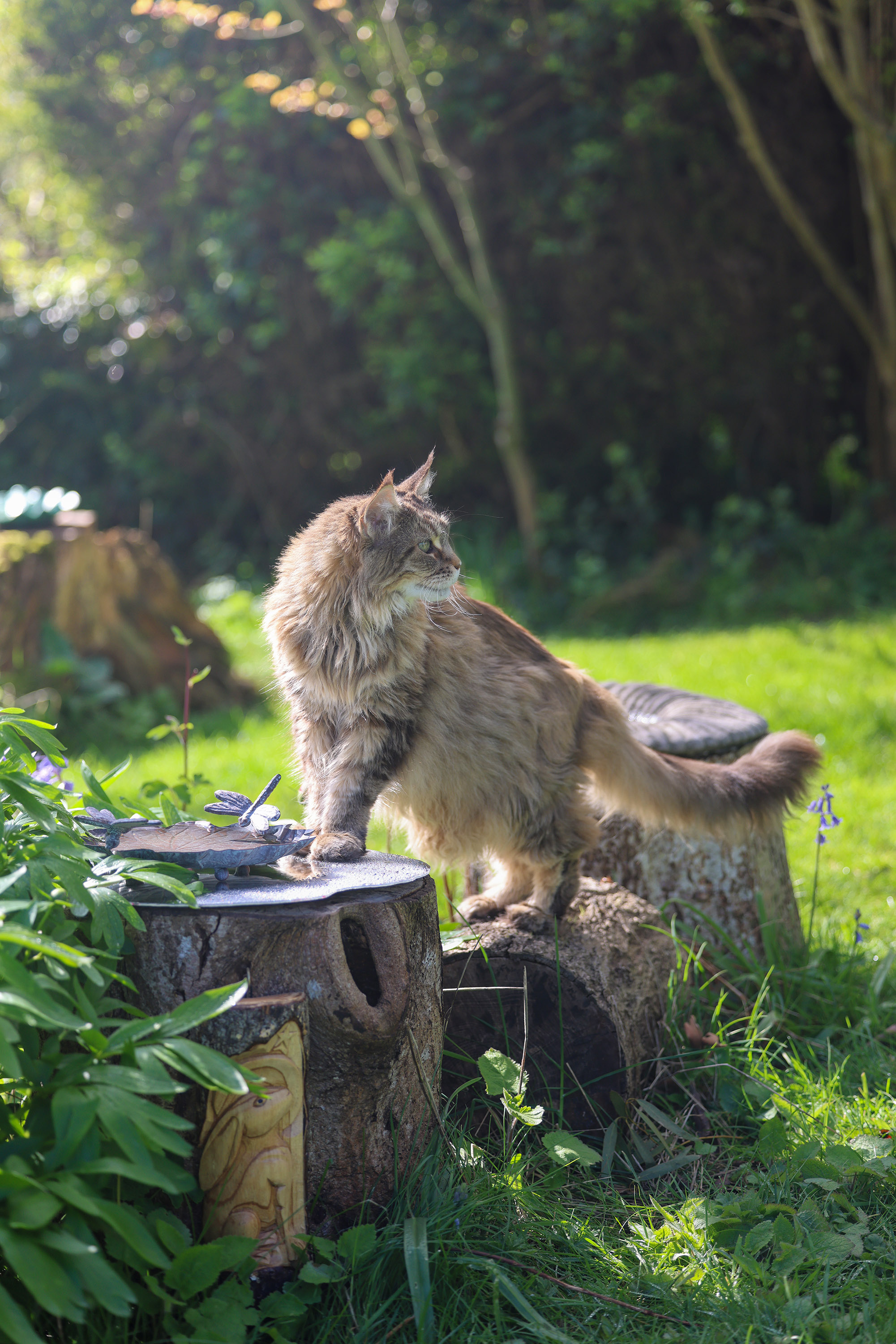
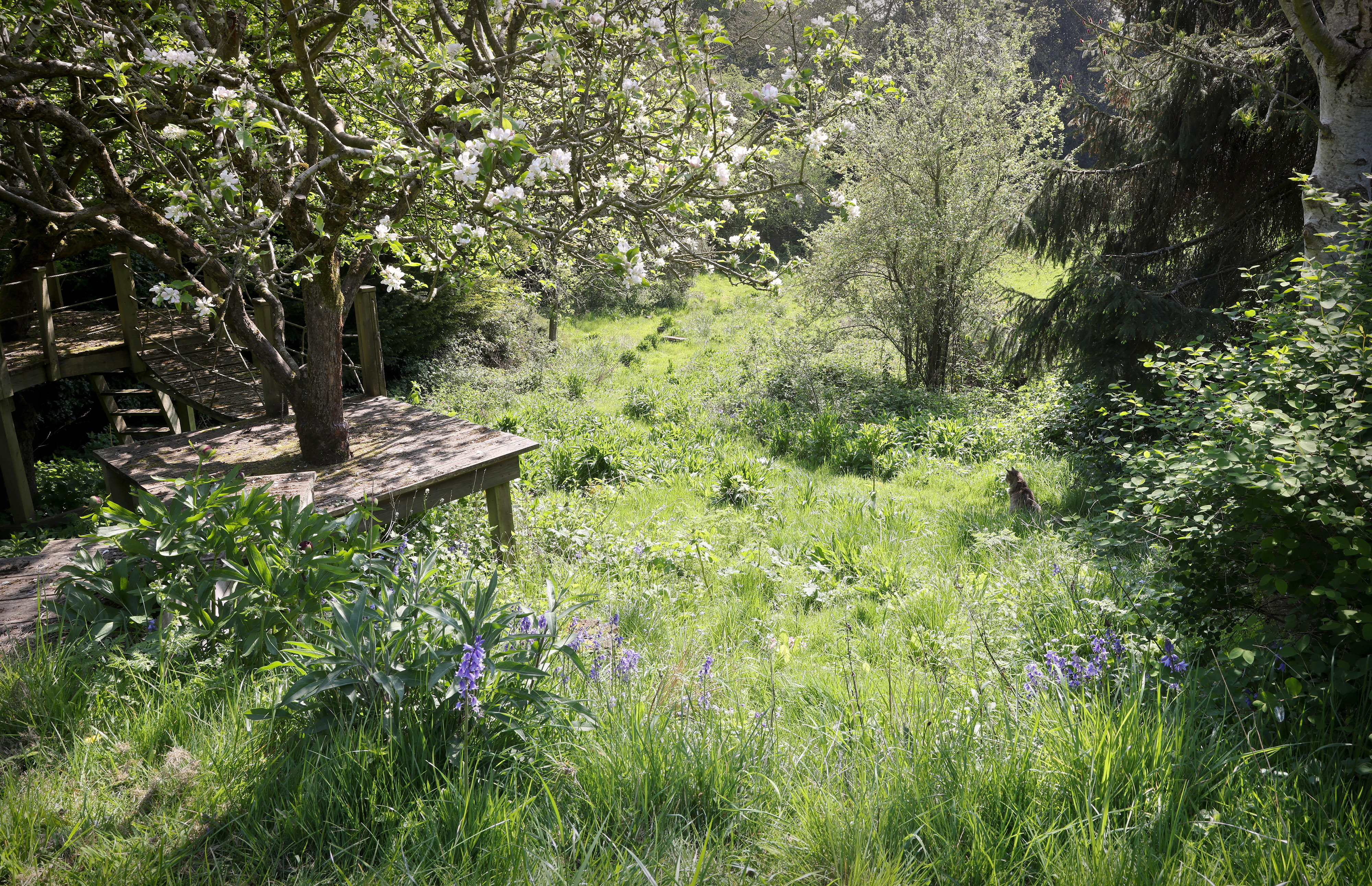
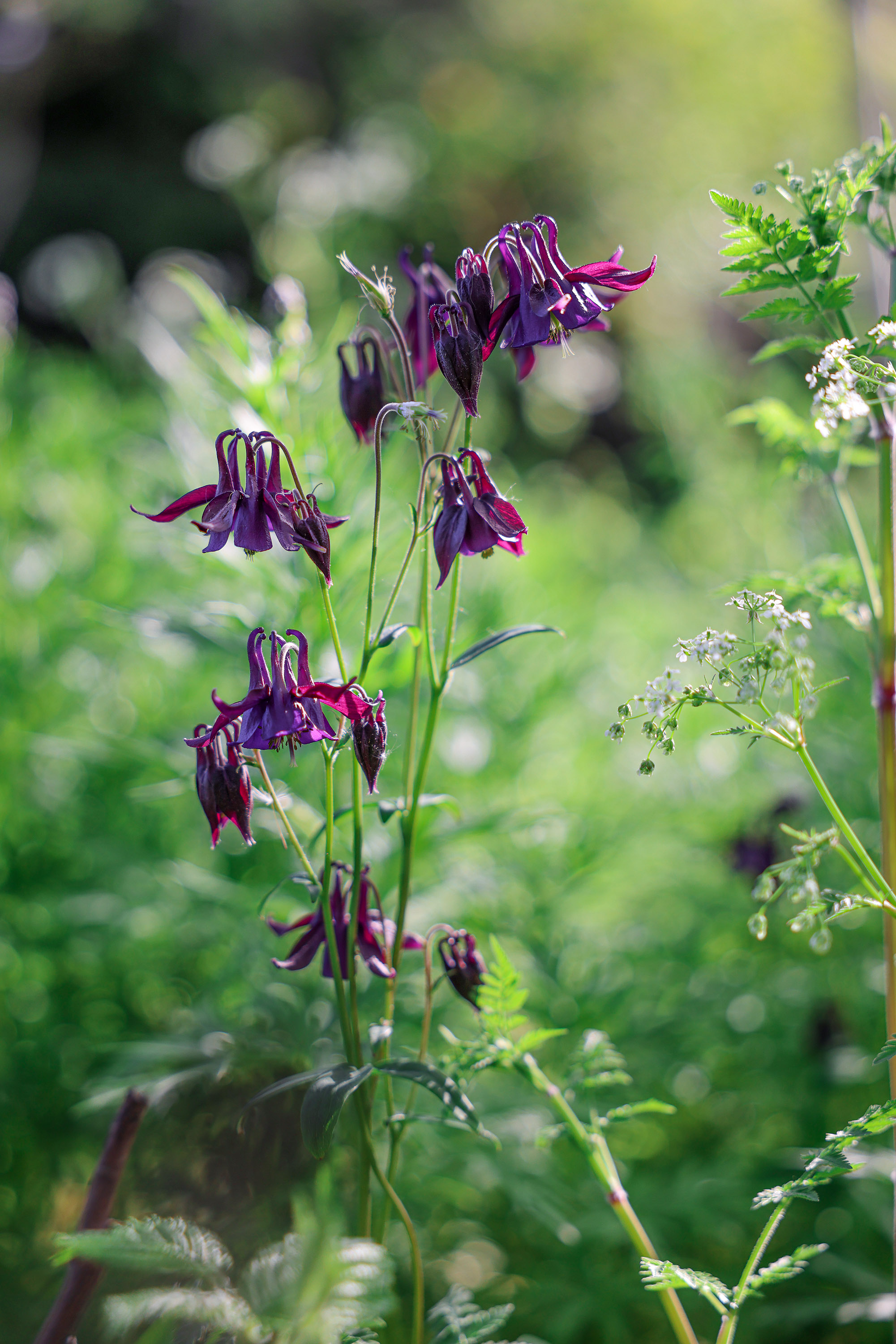
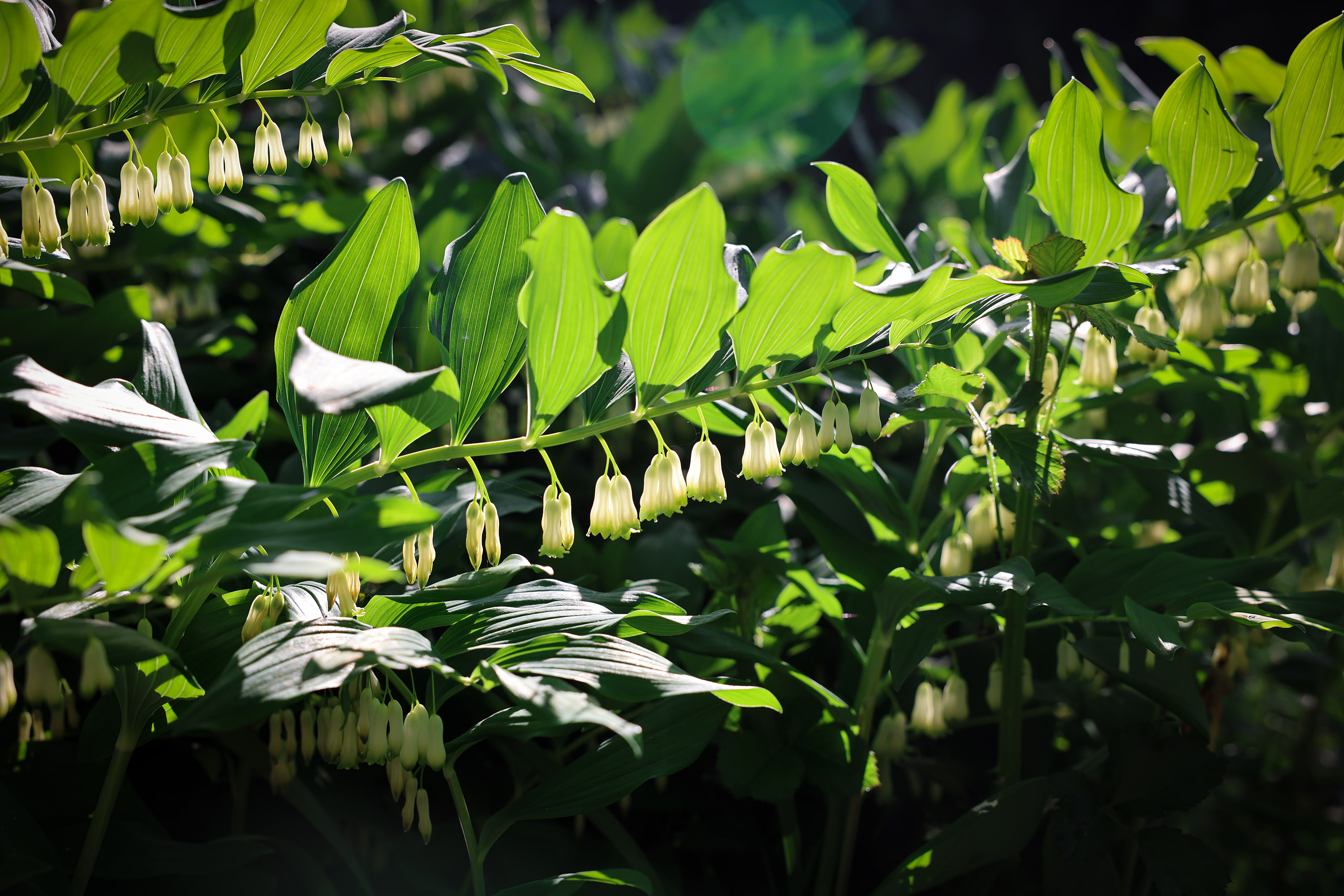
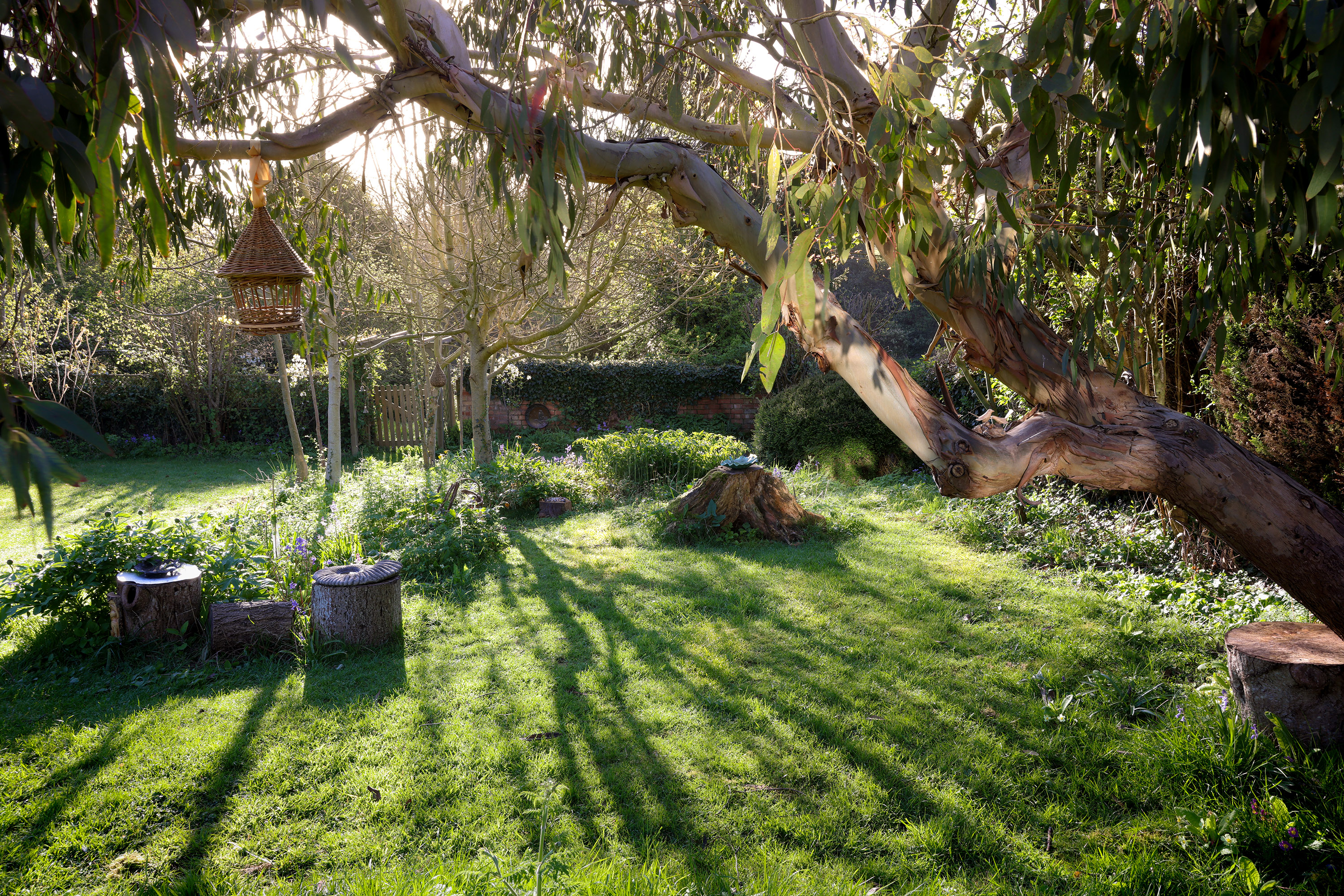
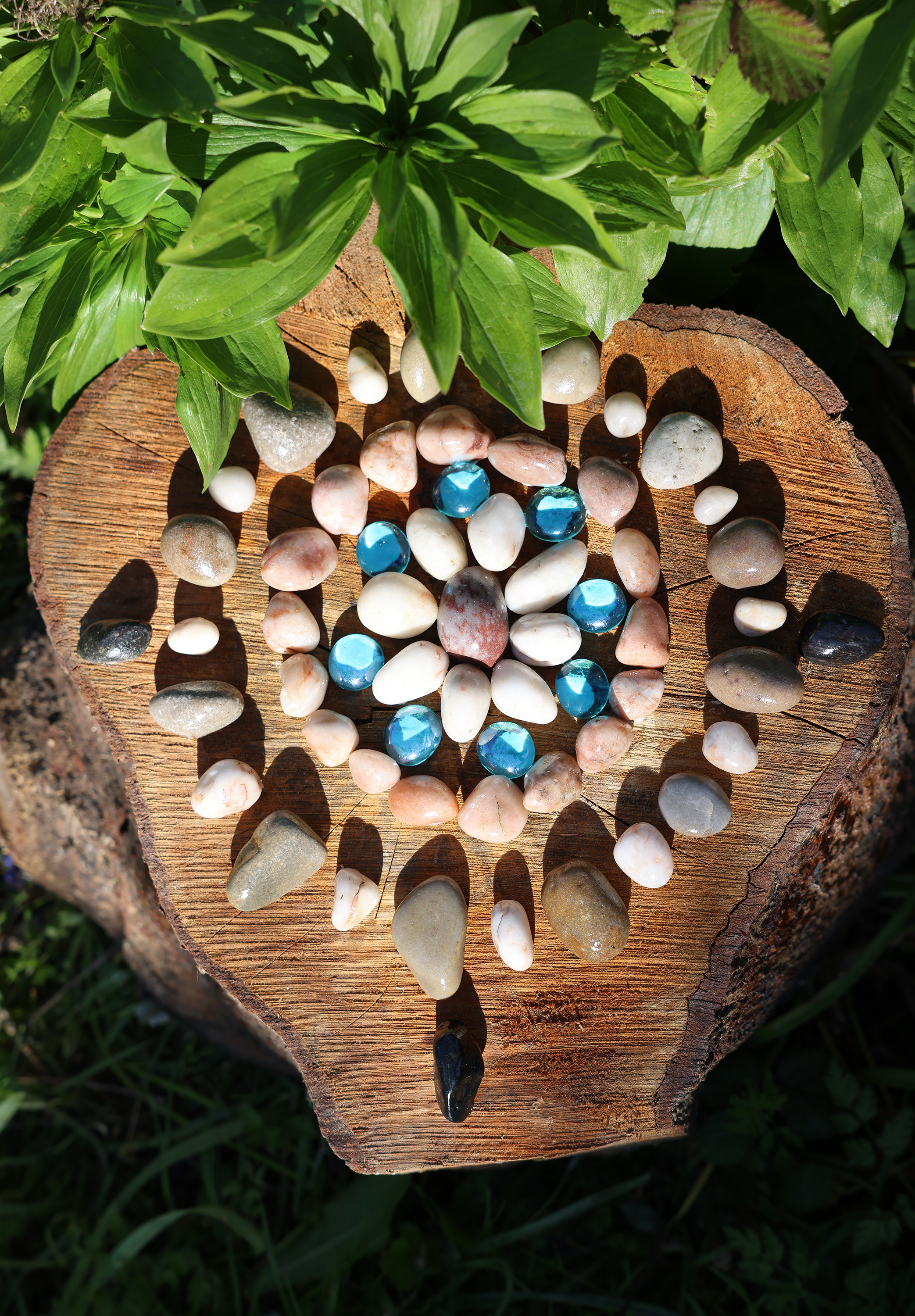
This year started with a project that had been in my mind for many years and finally we made a start. The idea is to create a sensory garden to provide a calming, empowering, and enjoyable space tailored to how Iris experiences the world.
It will be our safe place, a sanctuary, no matter what happens in the world we will know we can go out into the garden and feel peaceful. Iris can use the sensory input to self-regulate, the garden can become a safe retreat during shutdowns, anxiety, or emotional overload.
I thought I would share with you some of our progress so far and highlight some of the benefits of creating this garden.
Physical and nervous-system benefits
Gardening can naturally support:
Movement and coordination
Fine motor skills
Vestibular and proprioceptive input
Sleep and mood regulation through outdoor light exposure
Sensory exploration
Autistic people can be sensory-seeking, sensory-avoidant, or both depending on the situation. A sensory garden allows for safe exploration
Soft textures
Different colors and light levels
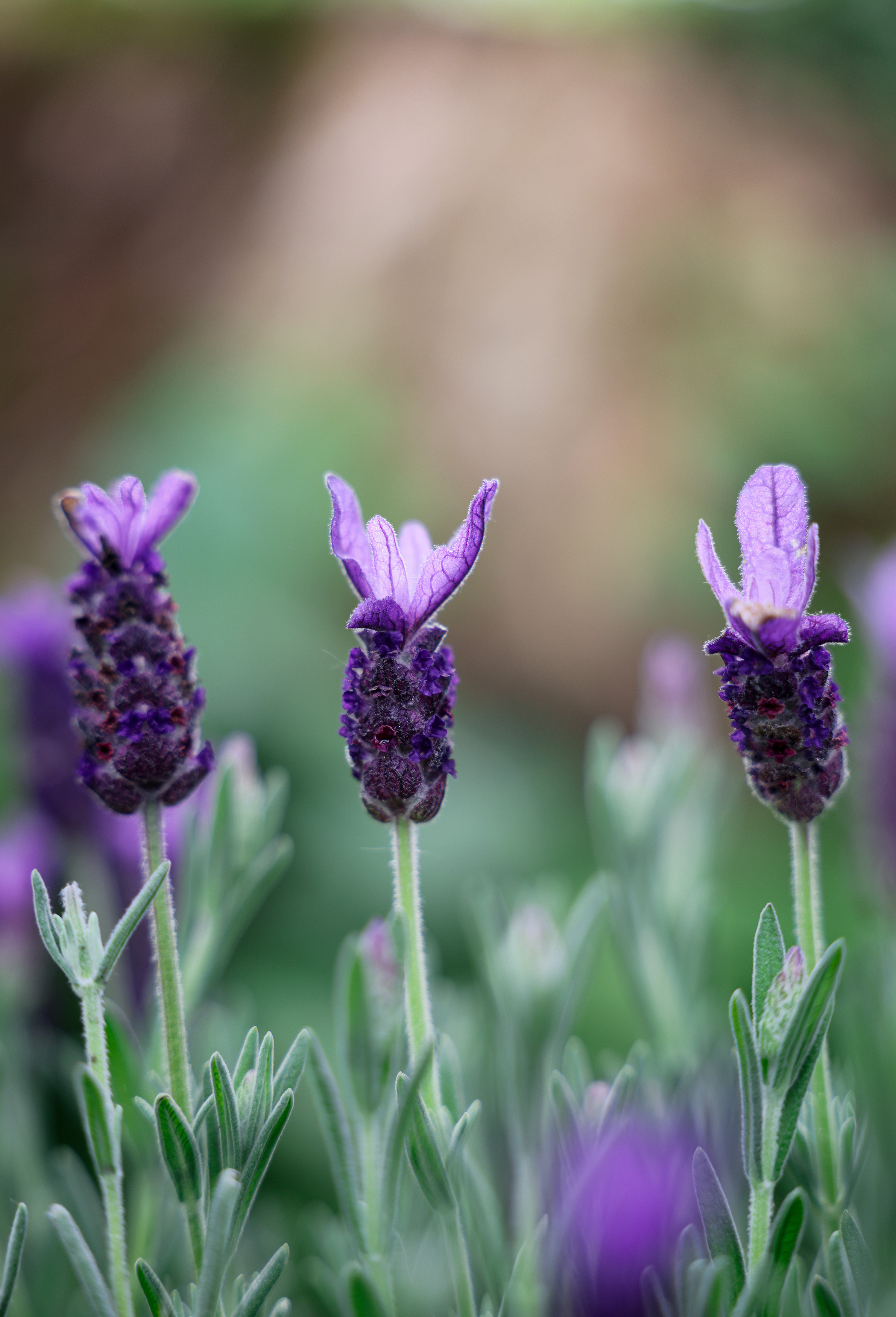
Fragrant plants
Tactile pathways
Safe things to touch, smell, create and observe
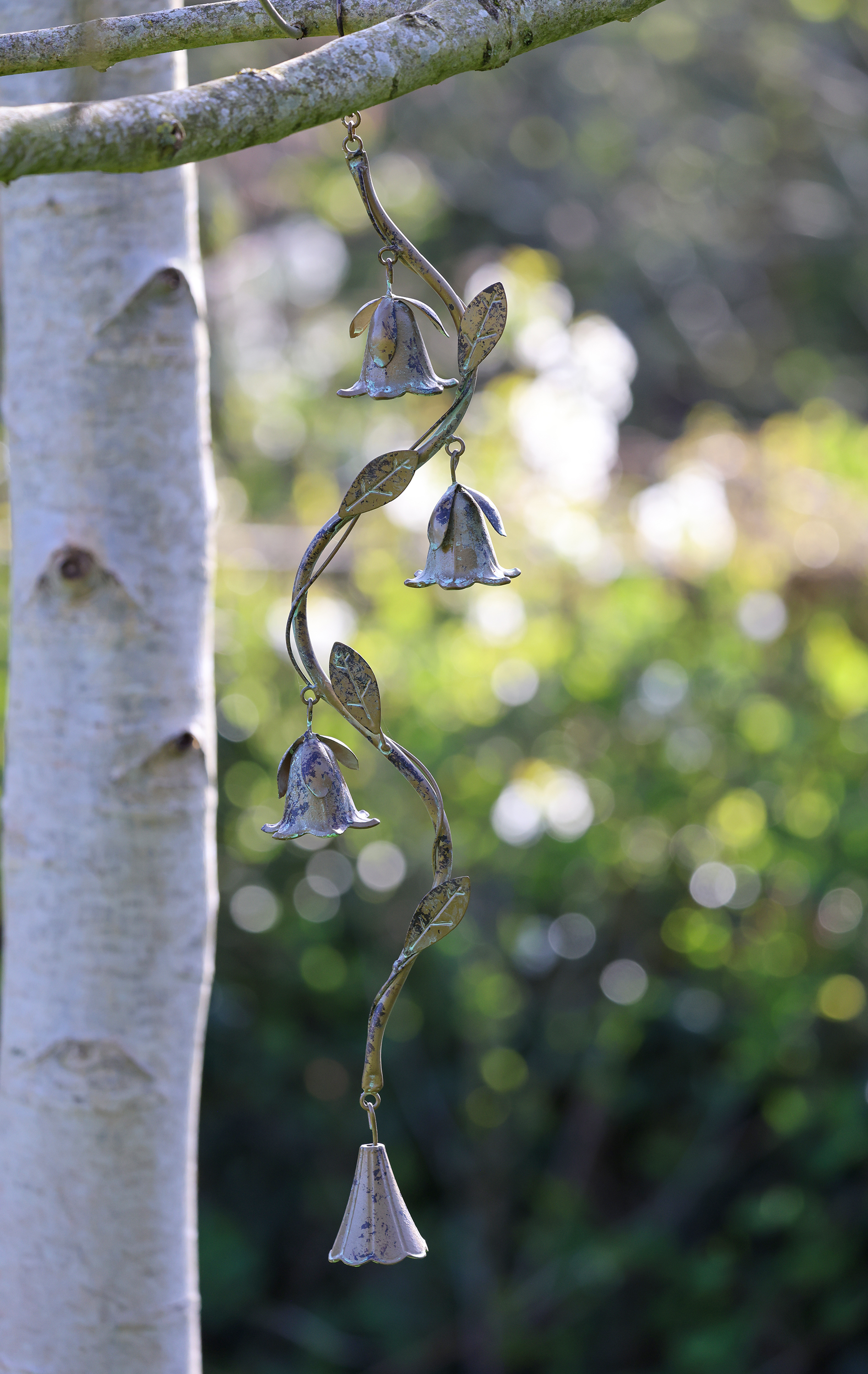
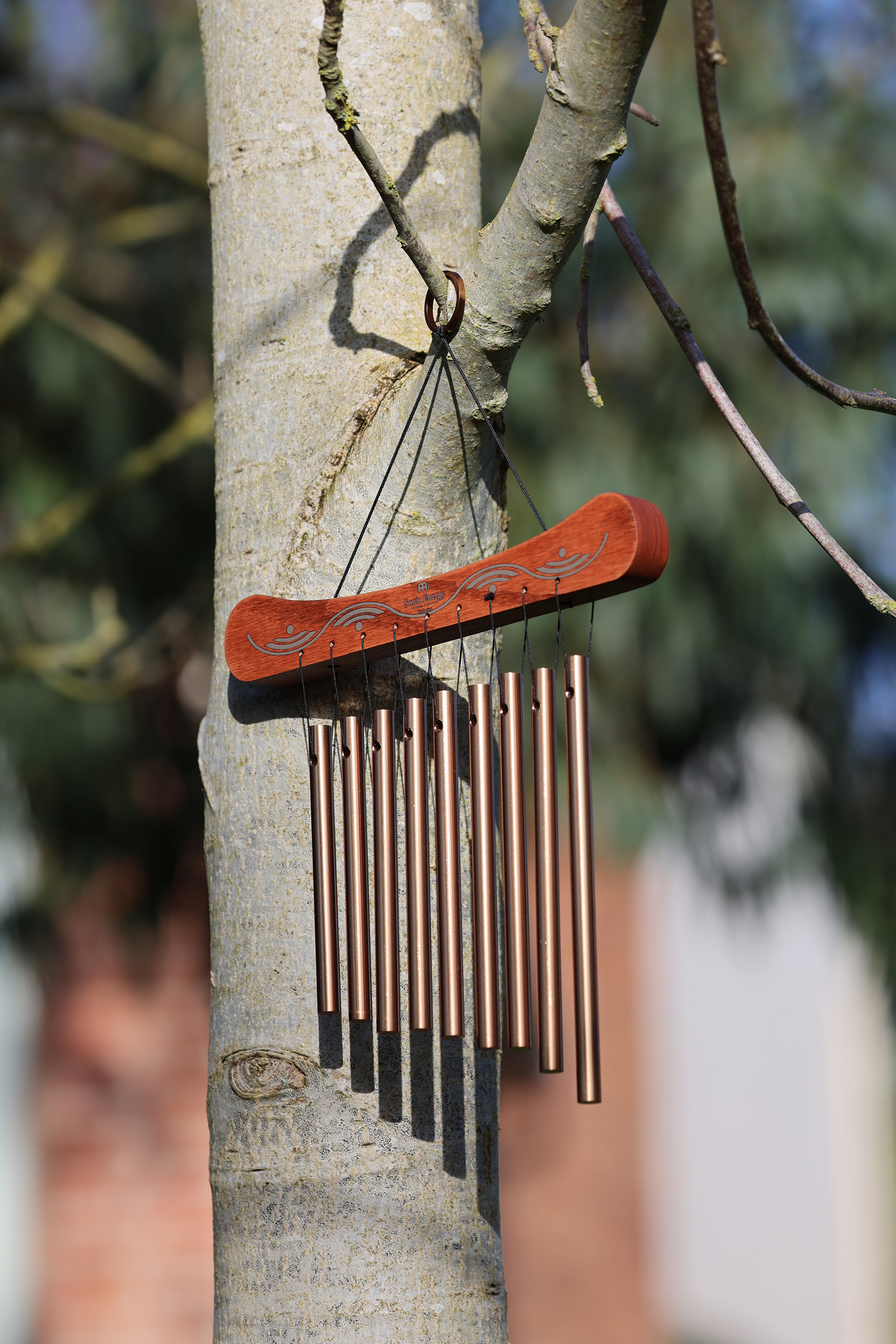
Musical instruments
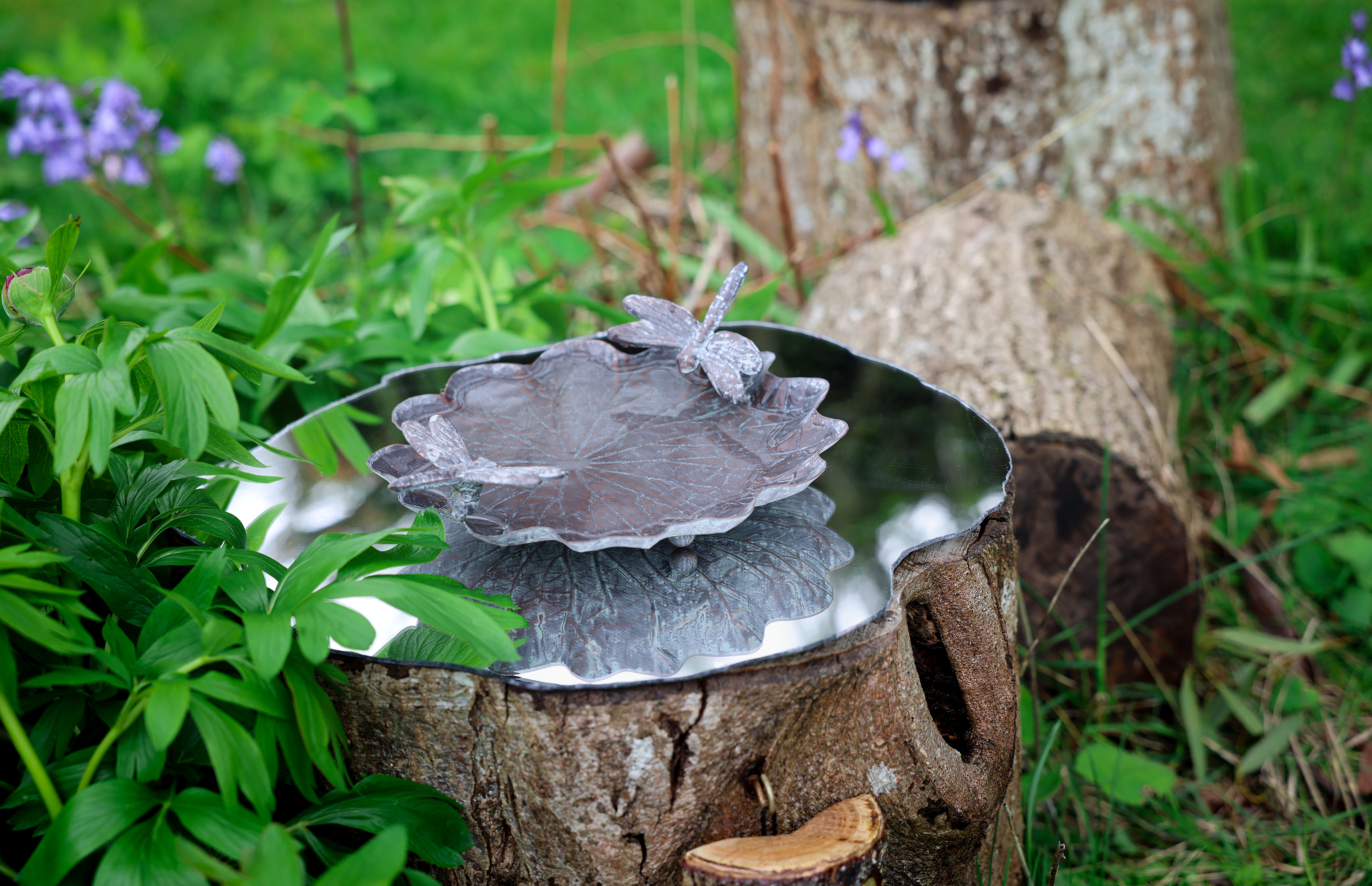
Water
Unlike crowded public environments, the input can be intentional and adjustable.
Support for special interests
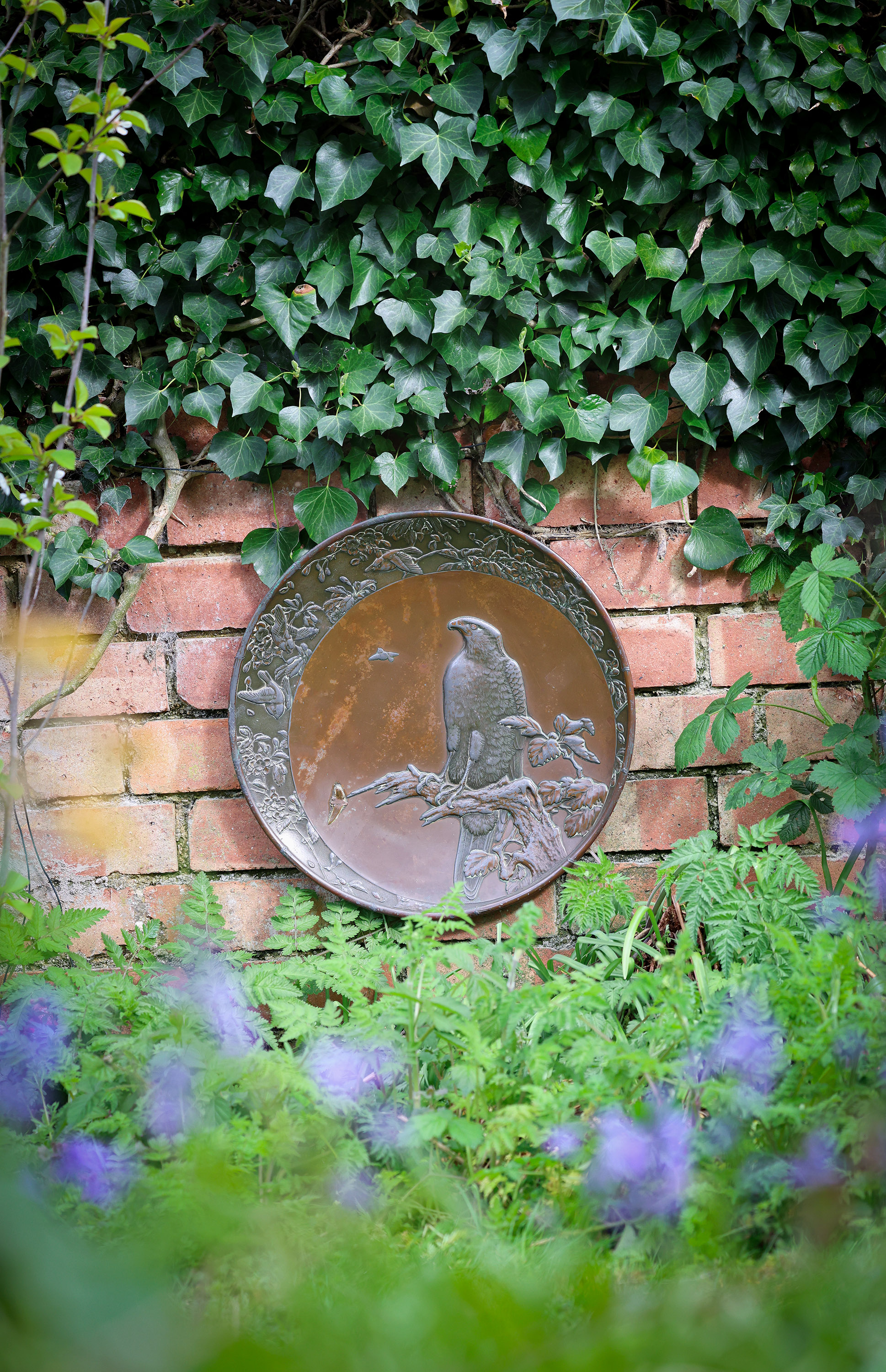
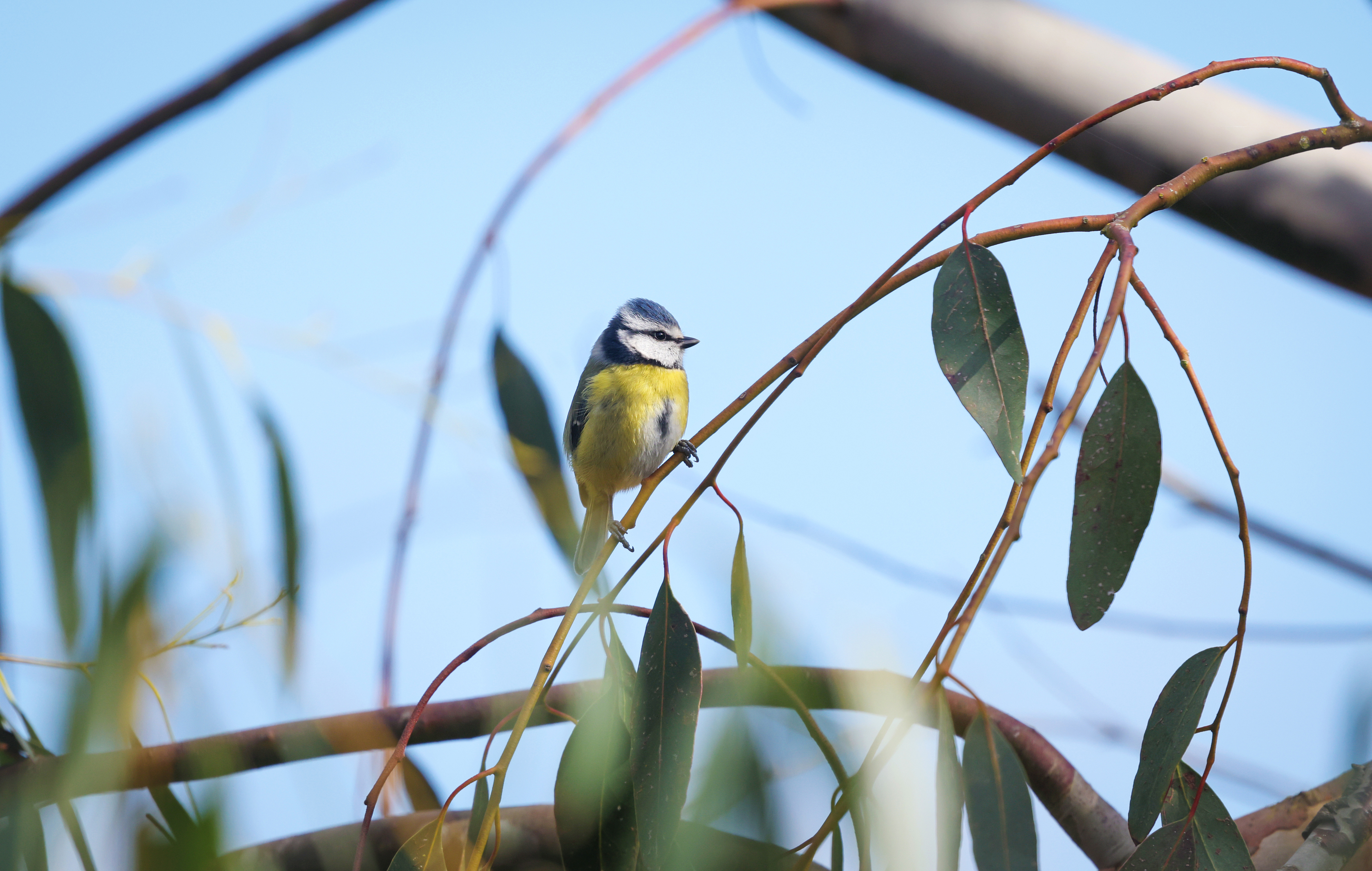
Iris enjoys nature, wildlife, art, weather, birds, colors and collecting things. The garden can connect deeply with those interests. Special interests are often emotionally regulating and joyful helping her throughout the day.
Reduced demand for social interaction
Outdoor sensory spaces allow engagement without requiring conversation, eye contact, or social performance. This can feel restorative and calming and very often means that Iris is actually more social than she would be in a more typical social scenario.
Independence and confidence
Gardening activities can support:
Decision-makin
Routine-building
Responsibility
Practical life skills
Seeing plants grow from her own effort builds self-esteem and a sense of competence.
This project will be on going and continually evolving. It can be fine tuned to what ever interests come alive over the years to come.
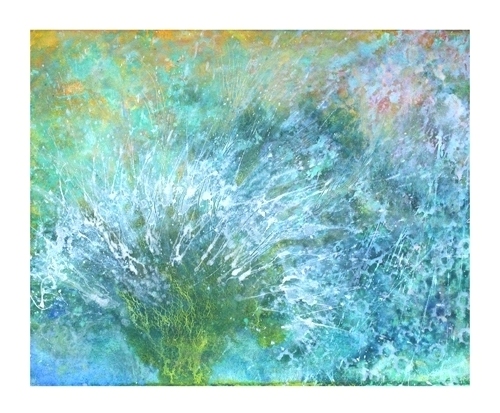
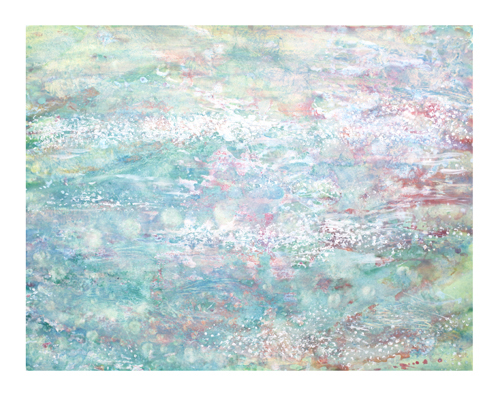
Iris’s latest painting ‘Journey Through The Dreamscape’ is available to order as a giclee print or the Original, please email Arabella at irisgracepainting@yahoo.com to find out more.
Print Size and Price
Prints are the same size as the Original: 55cm x 75cm (21.65 inches x 29.52 inches) – £170.00
Shipping
All print orders are shipped using tracked and signed delivery with Royal Mail.
For the United Kingdom we have a flat rate of £14.00 covering postage, packing and insurance.
For the Rest of the World we use the following rates to cover postage, packing and insurance:
This is a huge topic to fit in 1 blog but I’m going to give it a go. Based upon our experiences with anxiety, meltdowns and autism with Iris but I hear from speaking with others on the spectrum it will apply to many so hopefully sharing will help.
Managing Anxiety & Meltdowns on the Spectrum
It isn’t that being autistic means straight away Iris has anxiety or a behavioural disorder, but it can be a by-product of her complex set of processing differences. We can lower anxiety by understanding the causes behind it.
It is not possible to separate the autistic processing differences from Iris.
You cannot ‘cure’ her from this. It is how she functions, how her brain is wired in its own unique way. It can be overly active, acutely sensitive and have underdeveloped pathways to different areas but also overdeveloped scattered connections too. I’m not sure I will ever know exactly why but I do know there is an effective and productive way forwards. We can aid and support, live a happier healthier life.
We can reduce anxiety therefore lowering the likelihood of meltdowns & shutdowns.
I regularly assess Iris’s unique ways of perceiving and processing the world and create plans to support her through her sensory, cognitive, social, and emotional struggles.
What can cause a Meltdown/Shutdown?
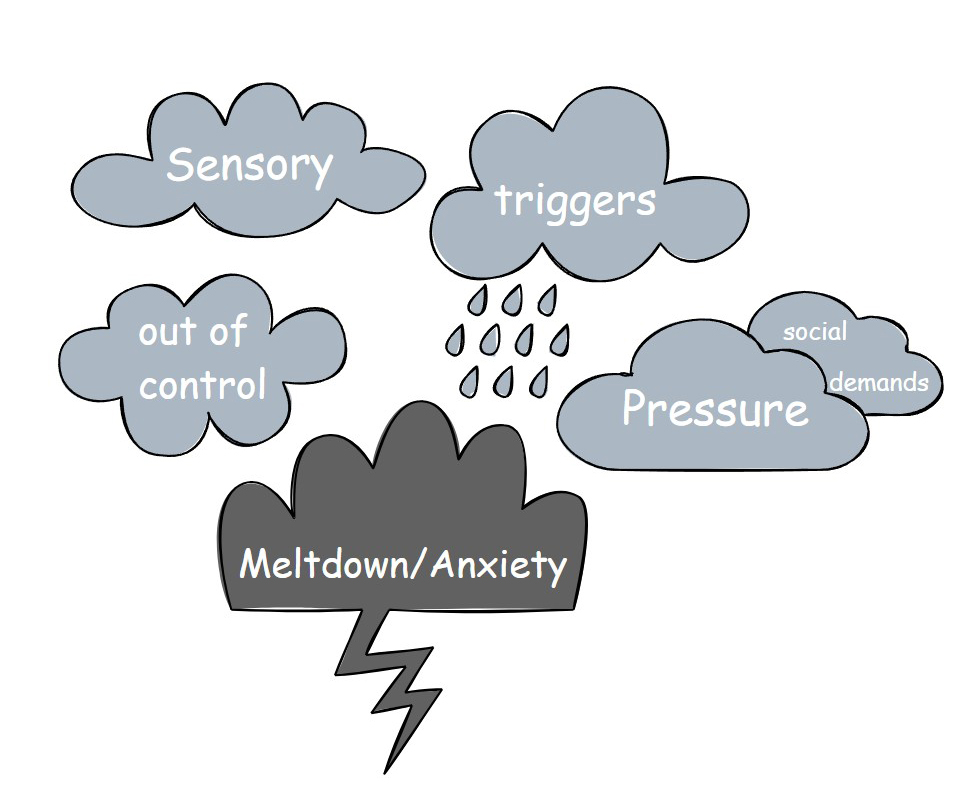
Try to imagine a meltdown or shutdown like the lightning in the storm, before this happens there is a build-up, clouds gather, there is a change in the air. Many components come together to create a storm and this is the same with a Meltdown or shutdown.
It is hardly ever one trigger, more like an ever changing, morphing set of moving clouds. We need to look at the whole picture and all of the elements – triggers. These can also be amplified when you factor in insomnia or communication difficulties. A meltdown is when the bodies stress chemicals have got to extreme levels, the “fight or flight” reaction sets in. A lightning bolt – immediate release of these chemicals. A shutdown on the other hand is like the opposite, it’s a protective mode to manage the stress chemicals getting too high. Both are signs of extreme distress and should never be looked upon as a tantrum or to be ashamed of.
What can we do to help with anxiety and Meltdowns
A few examples:
Sensory Issues
Too noisy – ear defenders or ear plugs, move to a quiet area, turn lights and electronics off
Sensitivity to light – turns lights off, sunglasses on outside or in the car.
Feelings within the body – deep pressure, massage can disperse the stress chemical build up
Smells from cooking – open windows
Cluttered space – tidy up, keep things in order and clean space
Too hot/cold – help change clothing, open windows…adjust temp
Uncomfortable clothing – try using soft cotton clothing, no labels, good fit
Out of control
Not knowing what is happening next or how long an activity will go on for – make a clear plan, break down into small stages
Try adding in more closed loop activities with a clear start and finish in one session.
Being told what to do – give choices
Needing independence – teach life skills in manageable stages
Stressed in new situations – prepare before with social stories, looking at websites, google maps…
Changes of plan – give a clear new plan to refer to
Social Demands
Social Demands and Pressure – Give time and more time. Socialising is exhausting for someone who is autistic. Reduce pressure where possible.
Triggers – observe what is triggering them and try to reduce those parts or help them manage the triggers so that it will help settle the clouds brewing.
For every person on the spectrum what helps them through their anxiety and what calms the storm in a meltdown will be different. I’m afraid its very often a case of trial and error to work it out. Start with observing what naturally works, what are they drawn to as they calm down. Create a ‘Happy Basket’ of sensory items and things that help them and you through the tough times or in the recovery stage after a meltdown. Iris’s basket includes sensory putty, a song book journal with the lyrics of all of her favourite songs, fabric that feels like Luna her rabbit, perfumed moisteriser, song list from Spotify, photo journal of activities and outings we have done. They are all items to calm, to transport Iris into a different frame of mind.
Work out if they need more clarity in the plan for the day. Maybe tasks need to be broken down into bit size chunks. Sometimes a set protocol that works when they are feeling things going in the wrong direction can help. Create an emotional support plan that you can all work from.
Environment
At times the environment needs to change, the simple act of moving Iris into another space can shift and change the mood & emotions. One of the hardest challenges I have found is realising when the environment is literally human, it’s us, it’s me. How to handle that when it’s the people around you too, your family. Our words, our body language, our speech. Without realising it we are within the clouds gathering adding to the storm.
How we can make conversations easier
So this whizz stop tour comes to and end but I hope it’s the beginning of a journey to finding solutions that make life a little easier.
For more information please have a read of our e-booklet on The Little Explorers Activity Club website.
Please share in the comments any advice, thoughts and experiences you have had with this as a person on the spectrum or a parent, carer 😊
Green paint swirls around the ceramic bowl as Iris carefully stirs. Her whole body swaying in time with the brush, intense focus on the colour before her transports Iris’s mind, body and soul into an elated almost hypnotic state. I’m at the sink dampening a sponge, so it’s ready to wipe up any unwanted spillages on the floor and as I turn, she is beaming a smile up at me, this is my chance to talk about her painting, the colours, shapes and patterns. A pathway to Iris using paper and paints, creating a connection between language and it’s true meaning. I pause, I hear her voice, her beautiful voice ‘Greeeeen,’ with a smile so big it could fill the room. It takes all my strength not to just go over and squish her with a huge hug and a thousand kisses, but I fear that would be going over the top and make her feel self conscious. I compromise with a little celebration and one kiss on her forehead but she gives me a look as if to say I am very busy and still have important work to do so I back off. After all, there is painting still to be done and within moments the paper that lies across the coffee table is filled with a sea of green.
I call Iris over to see her latest painting on the computer screen, she sits on my lap and we both look at the swirling colour formations and I try to think of a suitable name. Iris has been particularly chatty lately, mostly in her own made up language but it’s a progression that we are all very proud of. So I ask her what she thinks the painting should be called and she leans back into my arms and looks straight at me smiling and then repeats the words ‘a-where-wa’ over and over again. Job done, she walks off to play with some toys, now vocalising a whole load of ‘b’ sounds as she pushes her Postman Pat van along the ground. Feeling uncertain if I should use this name, I ask her once again what the painting should be called and she repeats the same words ‘a-where-wa’ once again, clearly and without hesitation. So there we have it, here is ‘A-Where-Wa’ Iris’s first painting that she has named all by herself.
Prints in 42cm x 56.5cm, 33cm x 44.5cm and 23cm x 31cm aswell as the full size.






 Iris Grace Painting